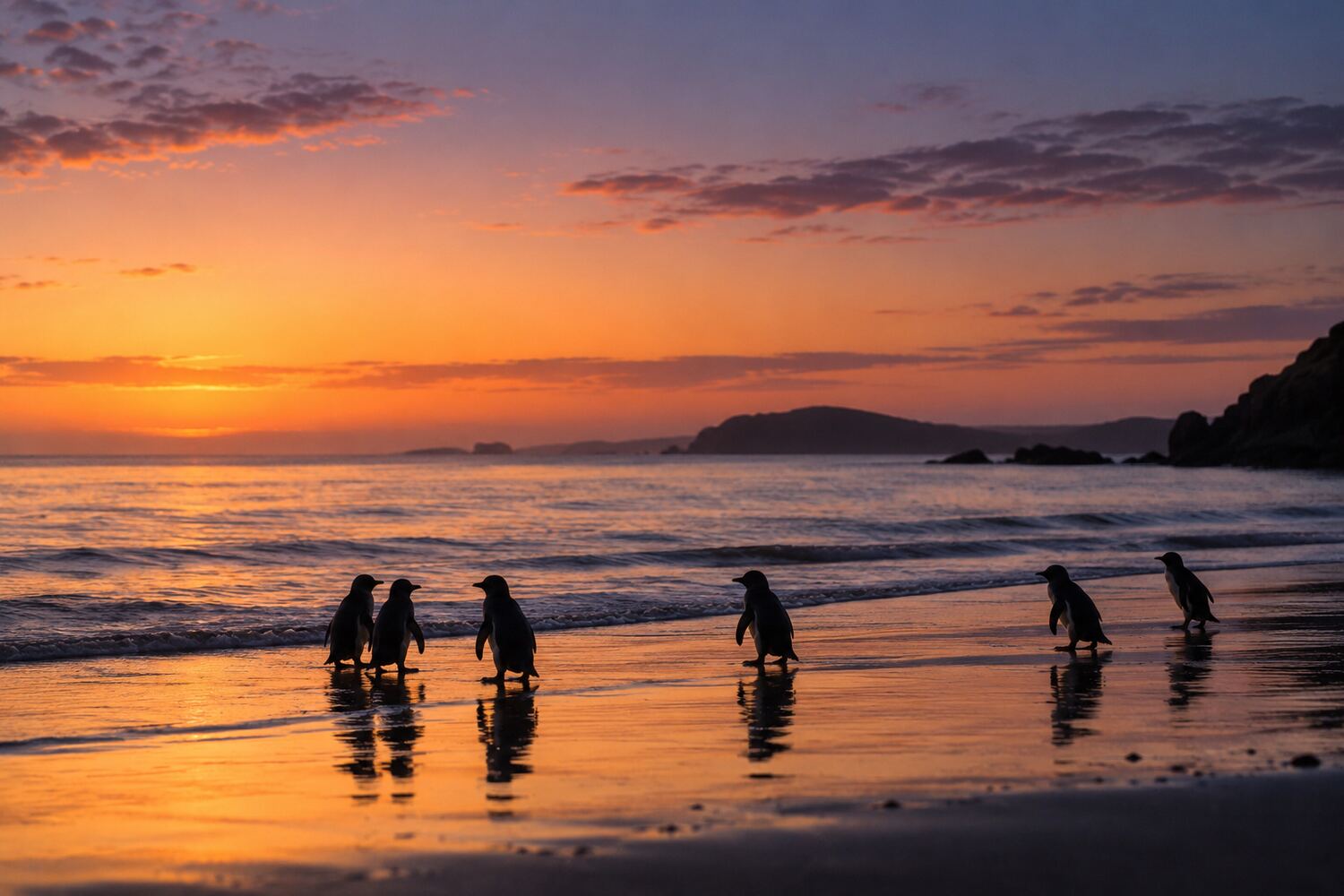
Little penguins silhouetted on a beach at twilight
About this guide

For everyone who loves penguins

Penguins in Australia gathers the country's penguins and the places to see them into one clear, honest guide — written for curious travellers and the birds they come to watch.

Why we made this

A clear map to Australia's penguins

Australia's penguins are scattered across thousands of kilometres — from an urban breakwater in Melbourne to islands near the ice. Good information about them is scattered too, and some of it is out of date, still sending visitors to colonies that have quietly disappeared.

This guide brings it together: what each species looks like, where it lives, when it comes ashore, and how each colony is really doing today. Where the news is hard — a colony collapsed, a tour closed — we say so plainly, because a guide that only tells the good stories does the penguins no favours.

Above all, we want your visit to leave the birds better off. That starts with the viewing code below.
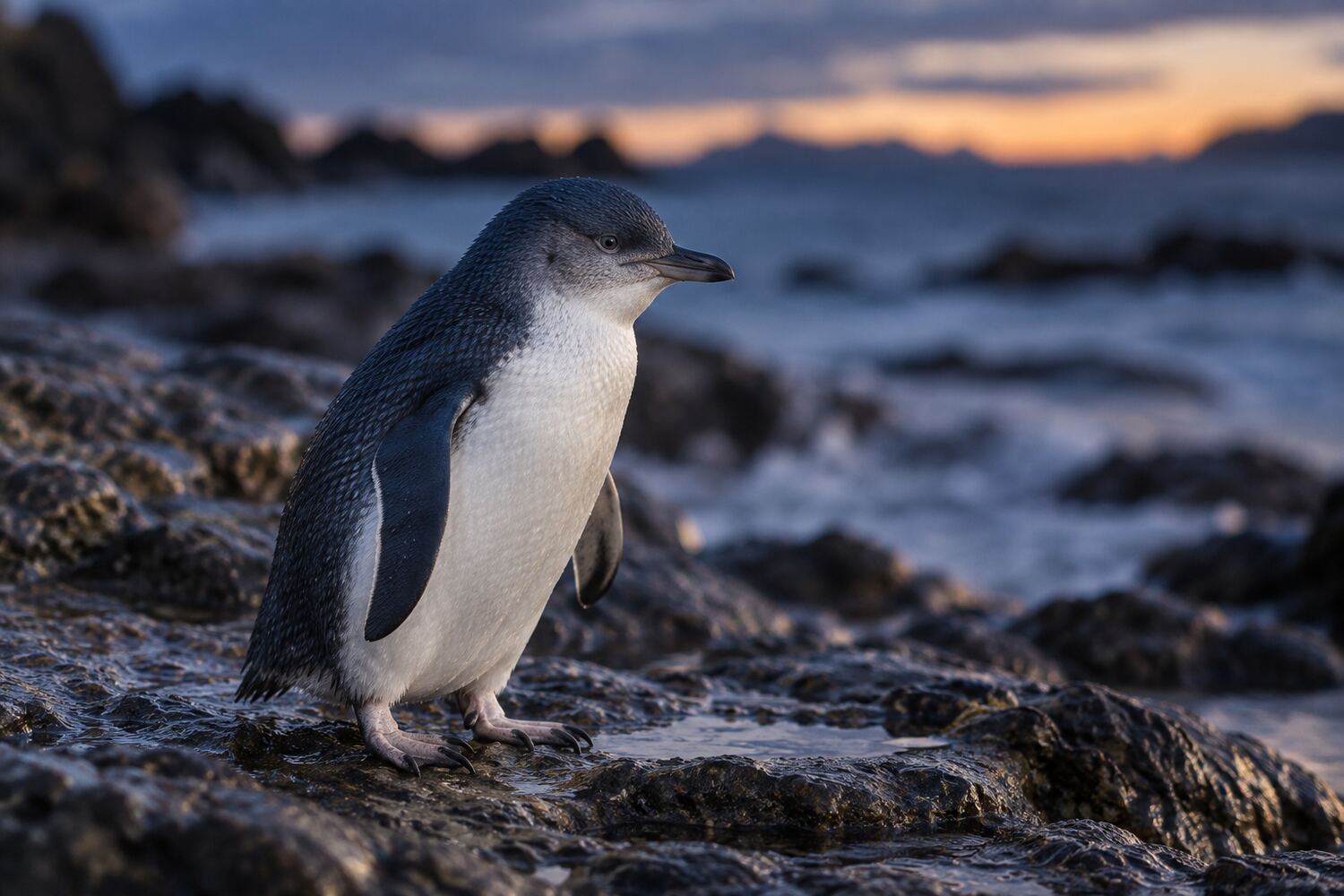
Little penguin
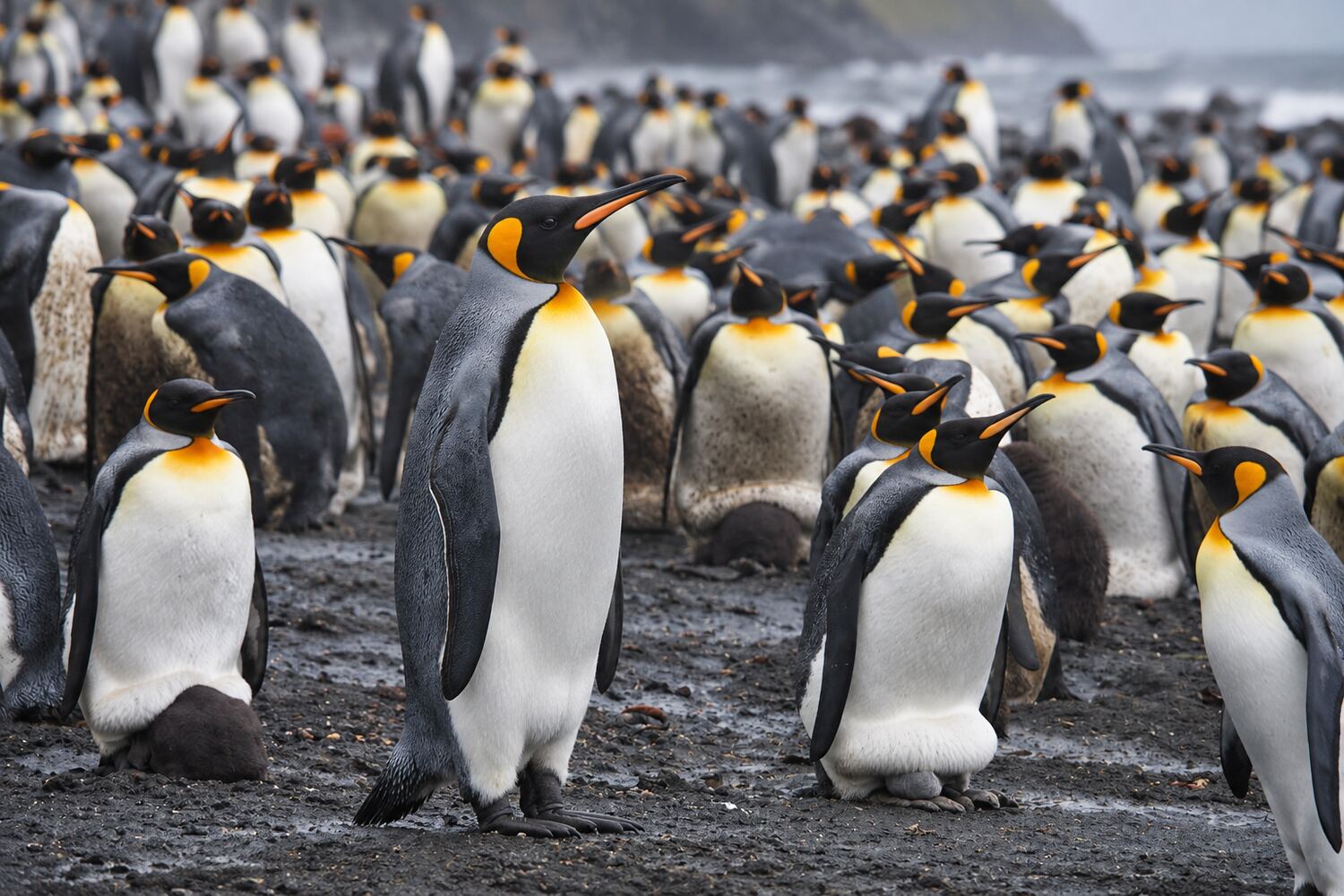
King penguin
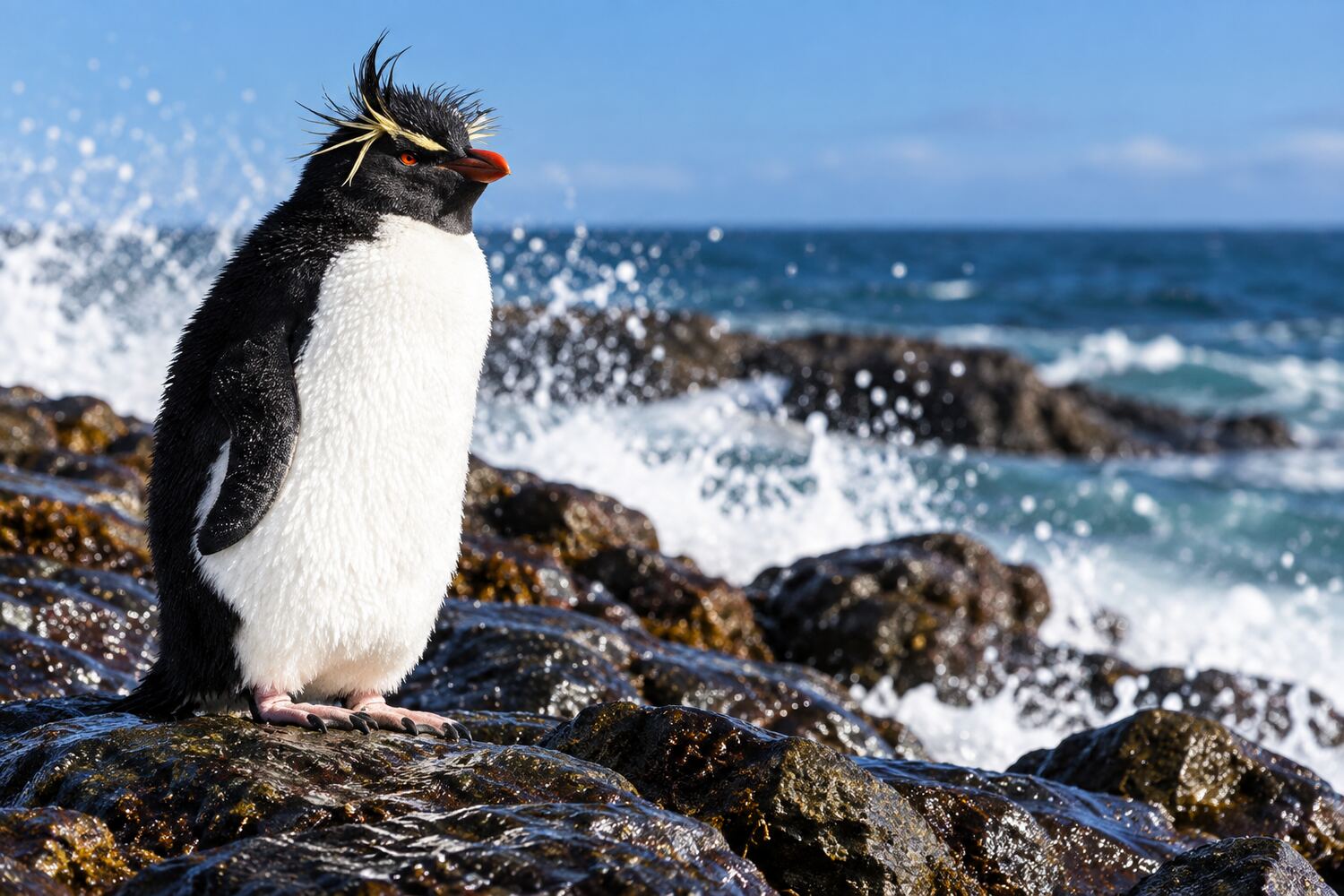
Rockhopper penguin
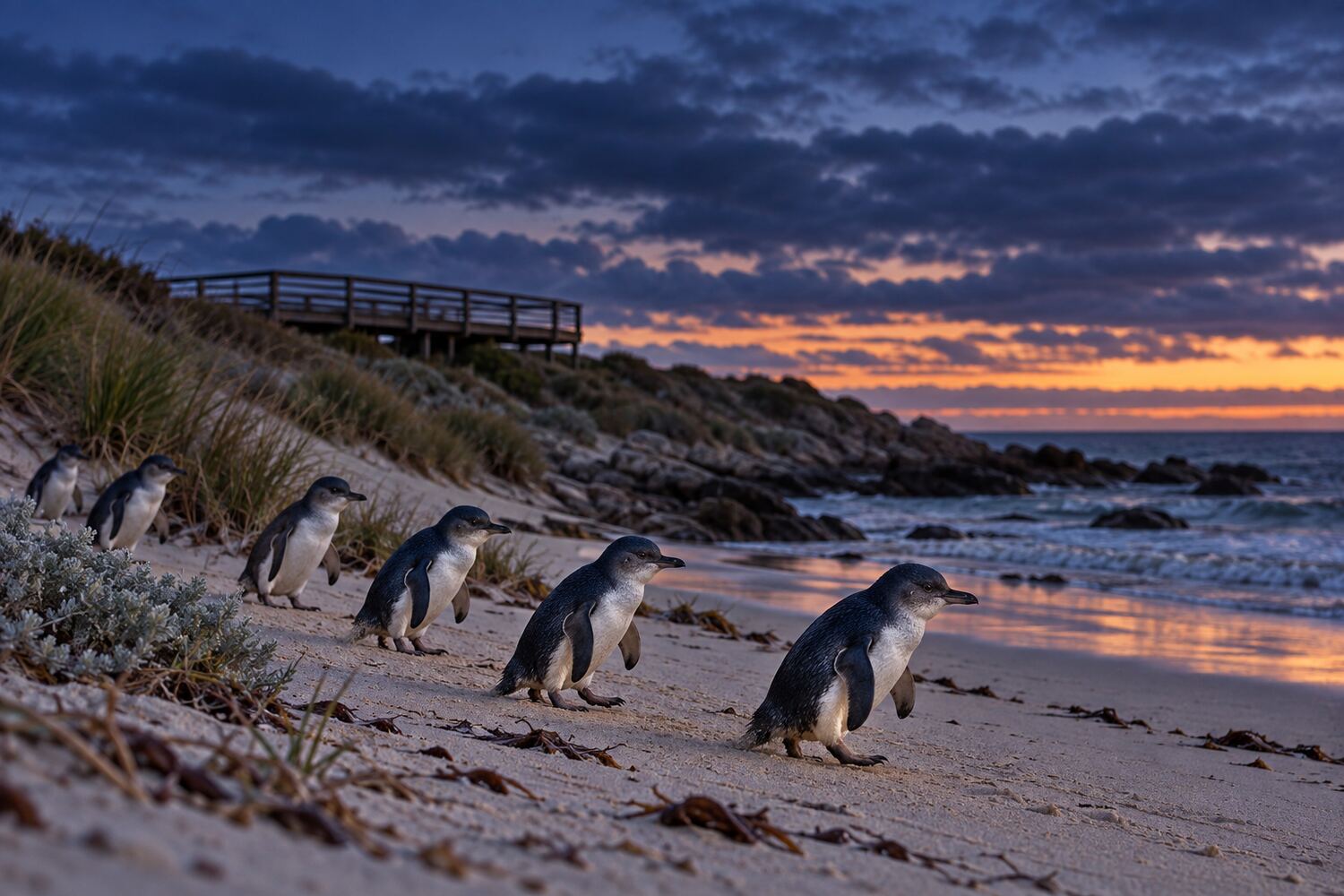
Phillip Island beach at dusk
The viewing code

How to watch penguins without harming them

Penguins are legally protected wildlife. These simple habits are the difference between a colony that thrives and one that abandons its beach — please follow them everywhere.

Never use flash. A penguin's eyes are highly sensitive; flash and bright white light disorient and can harm them. Many sites ban photography once birds are ashore.
Red light only. Use only red-filtered torches — tours often provide them and forbid your own. At free beaches, cover a torch with red cellophane.
Stay on paths & boardwalks. Off-path steps crush burrows and eggs. Never block a penguin crossing to its nest, and never touch or feed one.
Keep dogs & cats away. Dogs and foxes are a leading cause of penguin deaths. Keep pets away from colonies and beaches entirely.
Be quiet & still. Phones on silent, no drones, no sudden movement. Calm, patient watchers see the most.
Mind the season & heat. Respect seasonal and hot-day closures. In heat, never push a bird into the water — report it to a ranger.
Drive & boat slowly. Slow right down at dawn, dusk and night near colonies, and to a crawl in penguin waters.
Support the carers. Many sites are volunteer-run. A booking or donation helps fund the work that keeps the colonies alive.
Ready?

Go and
meet them